Independent emissions data
built for action
Climate TRACE is an open coalition that traces greenhouse gas emissions and air pollutants around the world to their sources: revealing where they come from, how they’re changing, and what specific actions can reduce them.
- We're tracking…901M assets globally
- Across…67 sectors
- Tallied for…9,000 cities
- And every…county, state, province, and country
See the emissions that matter to you, from the global picture down to individual sources.
Data in action
Analyze what’s driving emissions and what’s working to reduce them. And see how governments, companies, and communities around the world are using Climate TRACE data in action.
Policy
See analyses of the real-world impact of different policies, data-driven ways to make policies more impactful, and see examples of how policymakers are using Climate TRACE today.
Domestic aviation emissions, 2023 vs. 2025
Domestic aviation emissions after the short-haul flight bans, 2023 to 2025: −16% at Paris Orly and −22% across Austria. Operations
Climate TRACE tracks what specific Emissions Reducing Solutions successfully lowered emissions at different assets worldwide, and offers tools and insights to help similar assets learn from what worked for their peers.
Algoma Steel, emissions per tonne of steel, 2025
Emissions per tonne of steel fell from 1.90 to 1.30 t CO₂e between June and July 2025, when Algoma's first electric arc furnace started making steel. Accountability
Check any emissions claim against independent consensus estimates. Look up any plant, port, or refinery, and see how it affects the air over your own city and contributes to the climate crisis. Self-reported figures routinely miss what satellites and remote sensing can observe.
Same coal, up to 29× the methane
Methane per tonne of coal varies 29-fold across 398 US coal mines. Where the cleanest mines operate beside the dirtiest, the means to capture that methane are likely already available. Finance
Lenders, investors, and buyers are pricing Climate TRACE emissions data into decisions that move thousands of assets at once. Learn how you can too.
An Egyptian bank’s corporate loan book
Climate Risk Services used Climate TRACE asset-level data to estimate financed emissions for 80%+ of a leading Egyptian bank’s corporate loan book, and to raise its PCAF data quality scores.

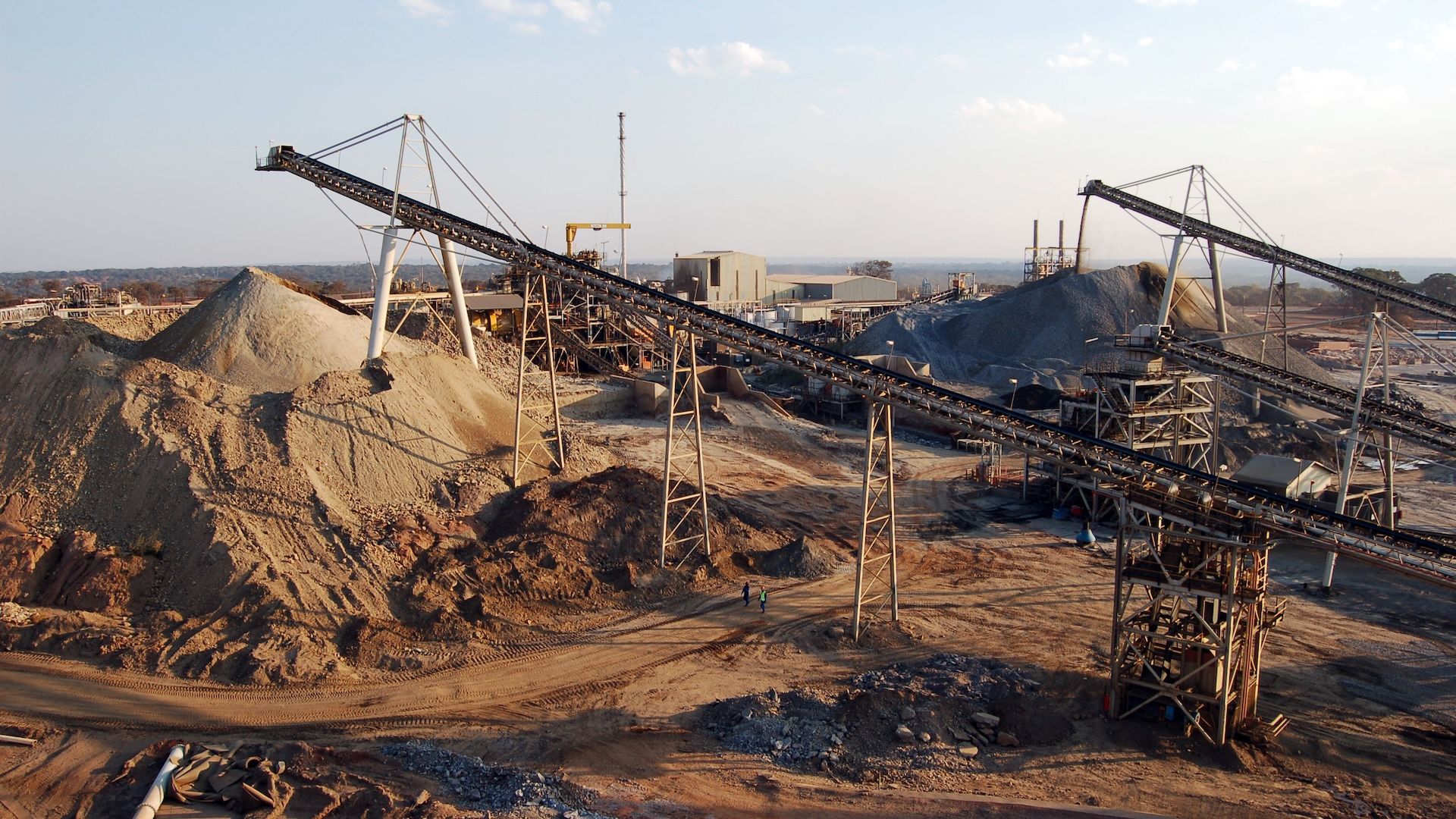

Global emissions at-a-glance
From coal, to gas, to biomass. A detailed look at the world’s power plants.
By combining satellite data with measured electricity production, Climate TRACE offers emissions insight into more than 11,500 power plants and grids at the local, national, and global level.
10.7 BT YTD 2026 (through August)
11,575 power plants
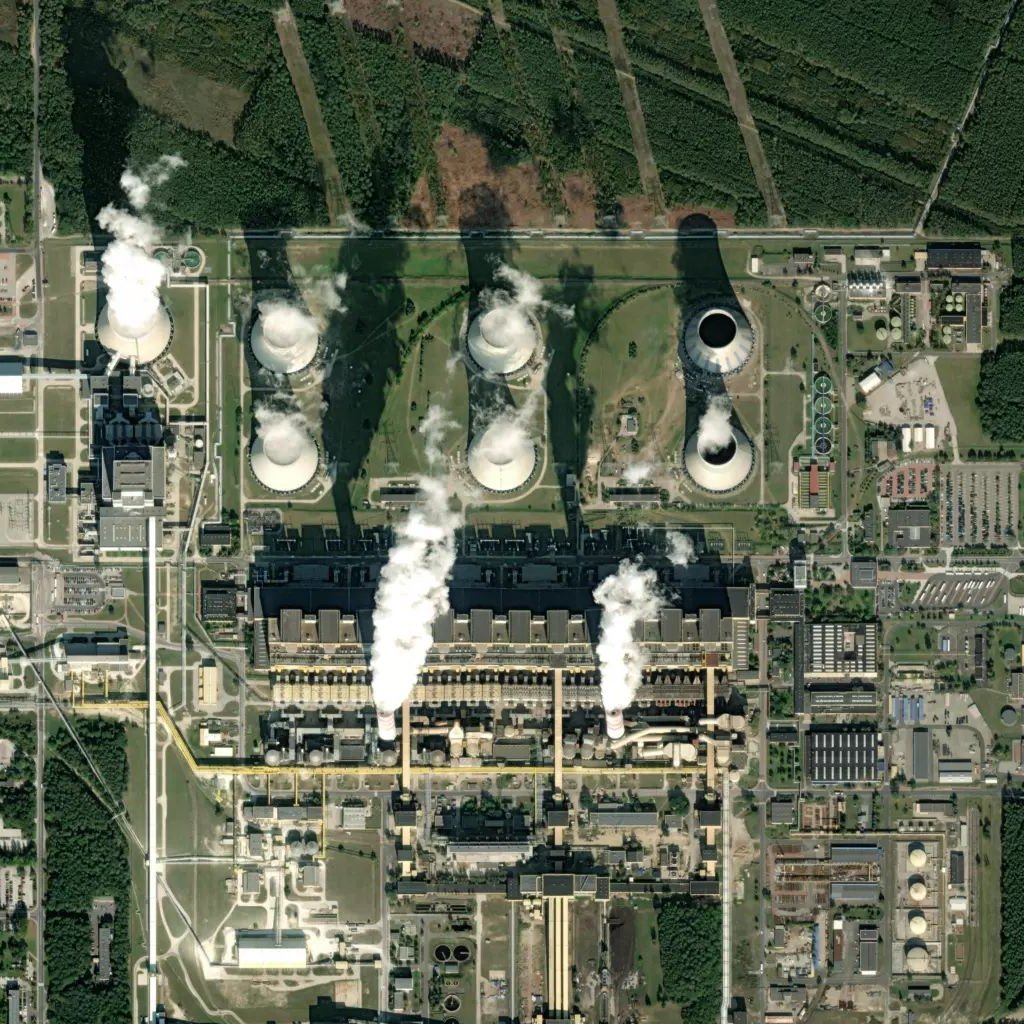 Belchatow power stationView on map
Includes
- Every major fossil fuel, biomass, and waste-fuelled power plant.
- Monthly and yearly greenhouse gas and air pollution data for each one.
- Information on fuel type, capacity, and utilization.
- Ownership information for nearly all emitting power plants.
Also available via direct download, API, Python, and BigQuery.
Learn more about our methodologySector data leadsWattTime · TransitionZero · Global Energy Monitor
Sources of power emissions
Power emissions by country
All subsectors, 2025, tonnes CO2e
Top 10 countries