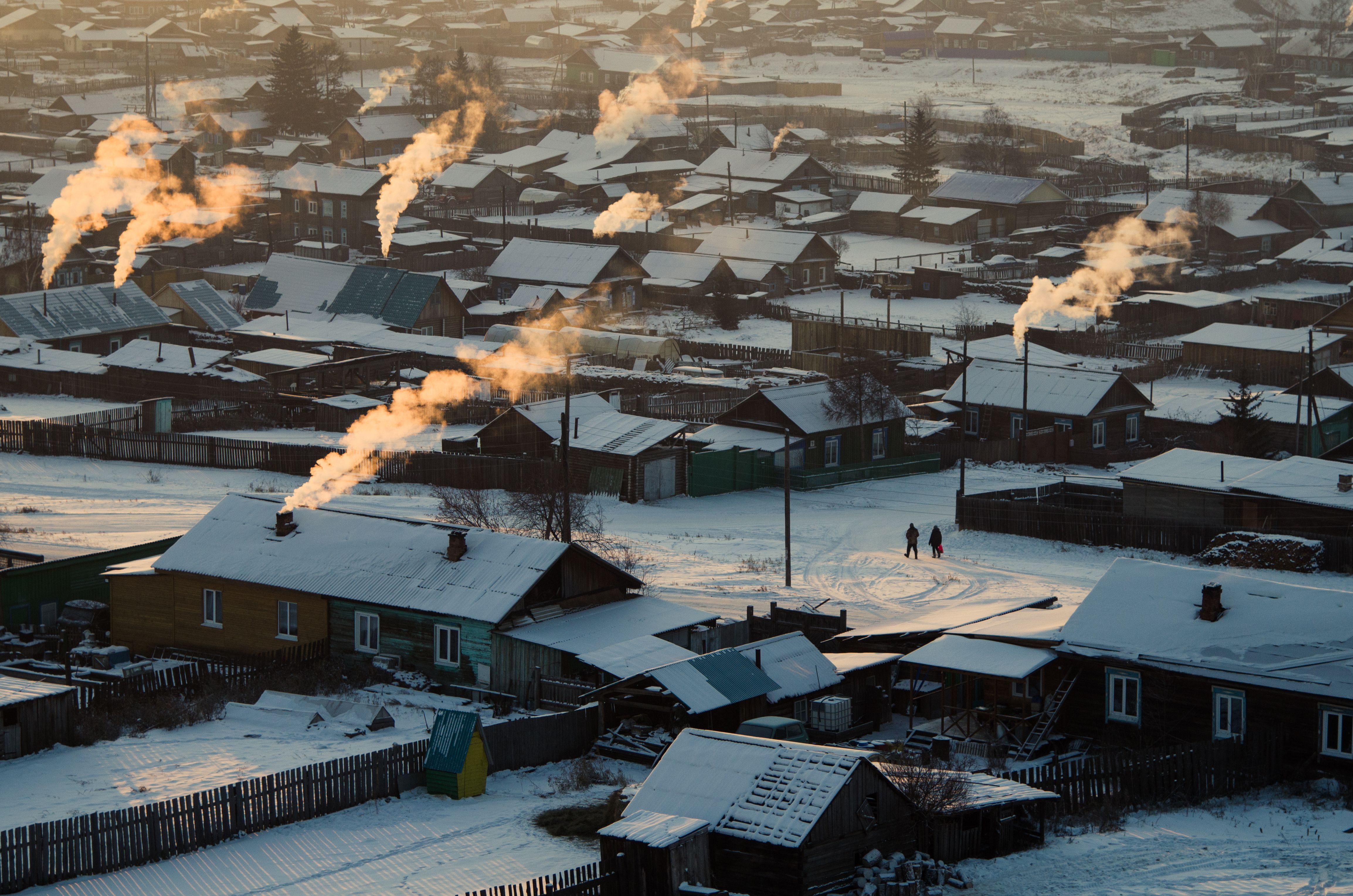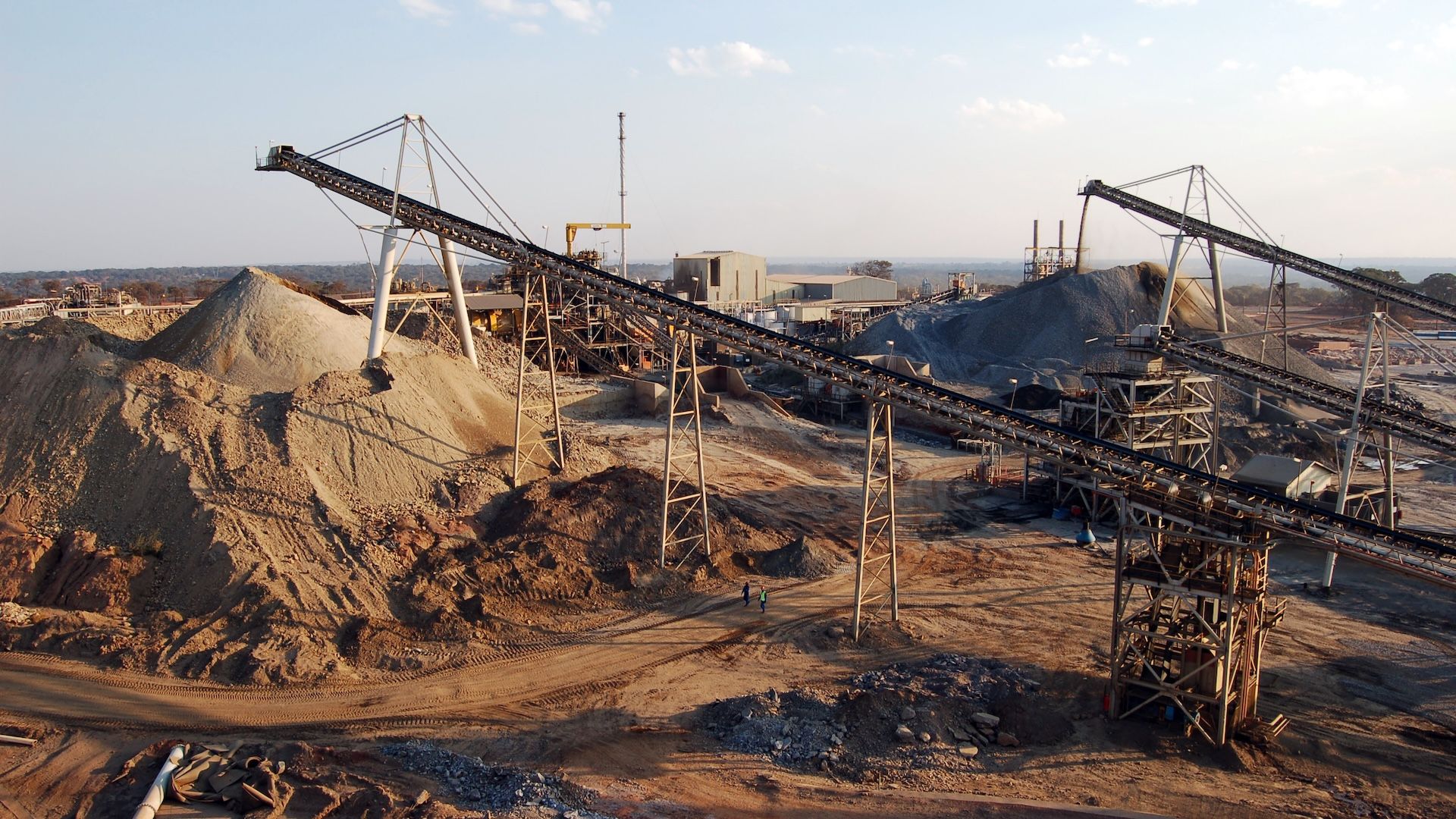

As Zambia aims to triple its copper production to power the global green transition, the environmental and human health impacts on the Copperbelt Province are coming into sharp focus. Climate TRACE data reveals how emissions and PM₂.₅ pollution affect over 3 million residents in industrial hubs like Kitwe and Ndola, and how transparent data can help chart a cleaner path forward for Africa’s mining heartland.
August release 5.10.0 includes monthly emissions data through June 2026. Emissions for the first half of 2026 were higher than in the first half of 2025.
An incremental wind up of EAF steel production, coupled with a concurrent wind down of BF/BOF steel production, paints a vivid picture of steel decarbonization. But not without hiccups along the way.
Most human economic activities release greenhouse gases into the Earth's atmosphere. We use satellites and other remote sensing technologies to spot these emissions activities.
A blend of carbon-free electricity to power EAF steelmaking and 20% green hydrogen for natural gas DRI would substantially reduce emissions at just a 3% cost premium for steelmakers.
An analysis of Mars's clean energy procurement on behalf of its value chain found that broad adoption by large corporations could create significant new demand for renewable energy.
The team from Duke University, Climate TRACE's lead on the buildings sector, published a new peer-reviewed article about their method for estimating building emissions.