Partial Substitution of Nitrogen Fertilizer
Partial Substitution of Nitrogen Fertilizer
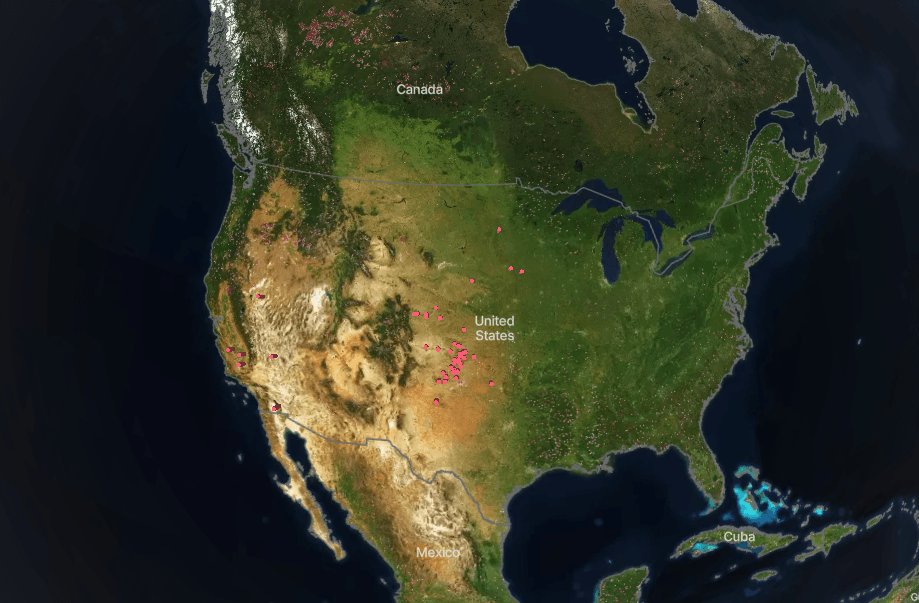
Selected Farms, North America
53,000 tonnes of nitrogen fertilizer applications annually
Agriculture
Estimated Emissions Reduction Potential
-
Total Project Impact: 12,765 tCO₂e
-
ERS Global Potential: 177 MtCO₂e
Download the pdf: Partial Substitution of Nitrogen Fertilizer ERS spotlight
How Lowering Nitrogen Fertilizer Reduces Emissions
Existing Practice: Conventional agriculture depends on synthetic nitrogen fertilizers to boost yields, yet the overuse of these inputs can have significant environmental and economic consequences. Up to 30-50% of applied nitrogen fertilizer is not used by the plant, which pollutes waterways, degrades soil health, and contributes to climate change by releasing nitrous oxide (N₂O), a greenhouse gas 273x more potent than CO₂. Nitrogen fertilizer is also the most expensive nutrient input for growers, costing up to 15% of total operating costs and is a major expenditure for many developing countries that import synthetic fertilizer.
The Solution: Partially substituting synthetic nitrogen fertilizer with organic sources such as manure, compost, or digestate, supported by nutrient budgeting to sustain yields, can improve soil health and nutrient efficiency while reducing agricultural emissions. Soil activators further enhance this process by stimulating the soil microbiome to unlock existing nutrients, resulting in lower fertilizer requirements without compromising crop productivity.
Lowering Synthetic Fertilizer Use up to 20%
Sound Agriculture has developed soil activator technologies that enhance microbial processes and improve nutrient efficiency in croplands. Its formulations, SOURCE® and BLUEPRINT™, stimulate the soil microbiome and promote root symbiosis through arbuscular mycorrhizal fungi (AMF), improving plants’ access to nutrients and water. Field studies indicate that activating the soil microbiome can reduce up to 20% synthetic nitrogen application while maintaining or improving yields. Among farmlands in North America, one large-scale grower in Illinois has replaced approximately 113 tonnes of nitrogen across 10,000 acres, avoiding an estimated 486 metric tons of CO₂e. These findings suggest that soil activators like those from Sound Agriculture can help reduce fertilizer-related emissions.
 Credit: Sound Agriculture
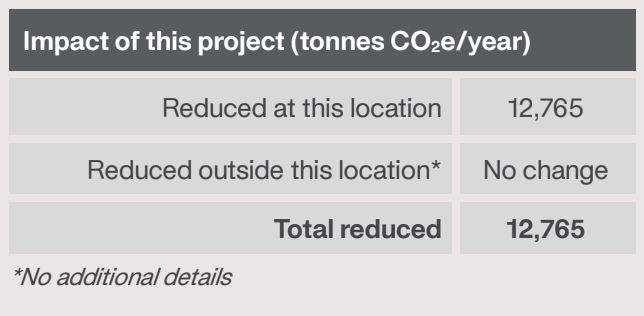
This solution of substituting nitrogen fertilizer reduces emissions at the source by lowering nitrous oxide release from soils.
Note: Annual emissions reduction potential at this project is estimated by Sound Agriculture. This spotlight was prepared in December 2025 using publicly available information. To learn more about Emissions Reduction Solutions (ERS) in the synthetic fertilizer application sector, please visit our website, read our white paper, or contact the Climate TRACE partnerships team.