Forest Restoration
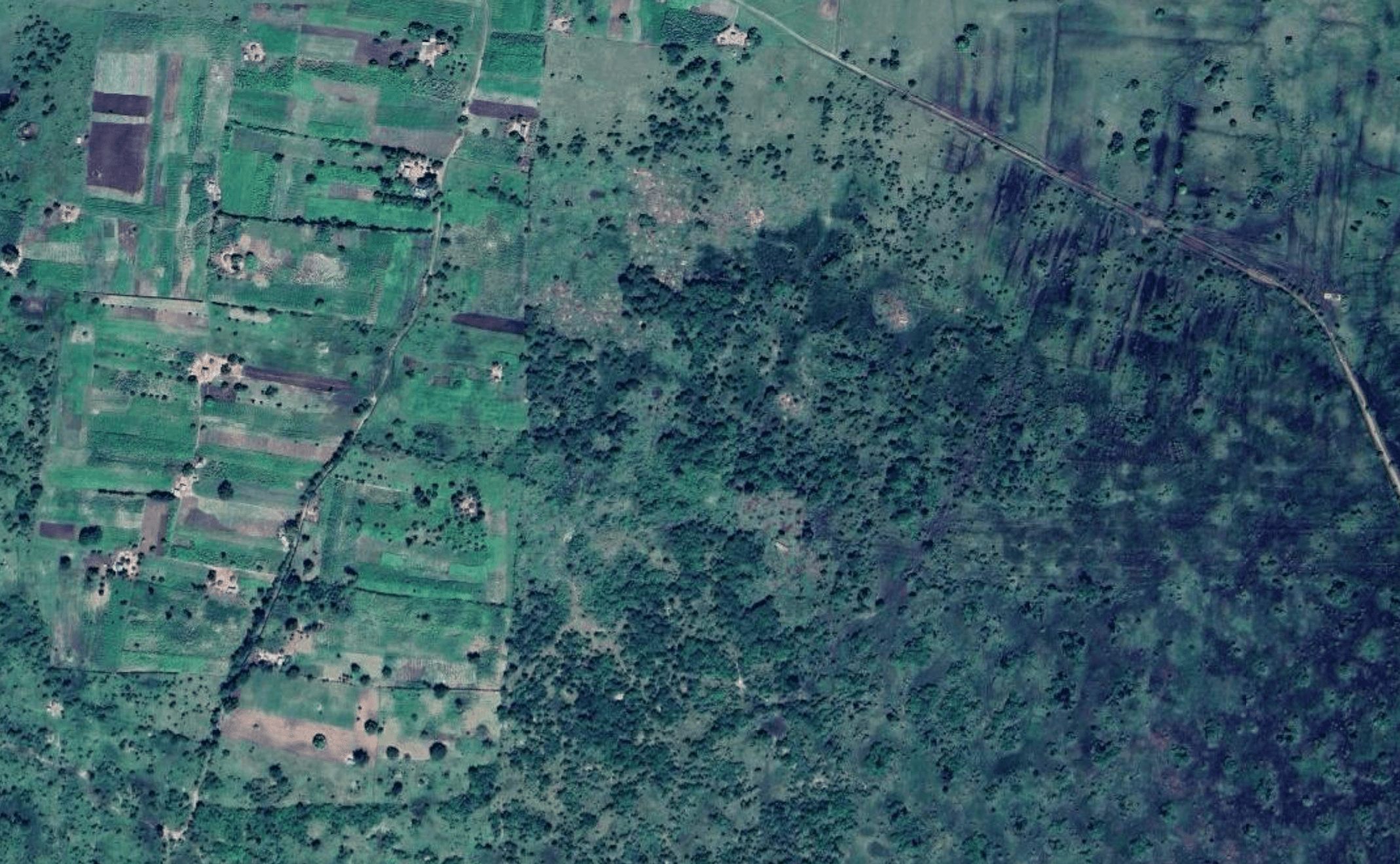
Uganda REDD+ initiatives, UGA
2M+ hectares of forest coverage
Sector: FORESTRY AND LAND USE
Annual Emissions Reduction Potential
-
Total Project Impact: 4 MtCO2e
-
ERS Global Potential: 7 BtCO2e
Download the PDF: Forest Restoration
How Forest Restoration Reduces Emissions
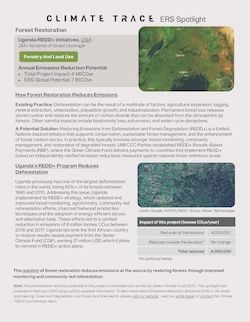
Existing Practice: Deforestation can be the result of a multitude of factors: agricultural expansion, logging, mineral extraction, urbanization, population growth, and industrialization. Permanent forest loss releases stored carbon and reduces the amount of carbon dioxide that can be absorbed from the atmosphere by forests. Other harmful impacts include biodiversity loss, soil erosion, and water cycle disruptions.
A Potential Solution: Reducing Emissions from Deforestation and Forest Degradation (REDD+) is a United Nations-backed initiative that supports conservation, sustainable forest management, and the enhancement of forest carbon stocks. In practice, this typically involves stronger forest monitoring, community management, and restoration of degraded forests. UNFCCC Parties established REDD+ Results-Based Payments (RBP), where the Green Climate Fund delivers payments to countries that implement REDD+ based on independently verified emission reductions measured against national forest reference levels.
Uganda’s REDD+ Program Reduces Deforestation
Uganda previously had one of the largest deforestation rates in the world, losing 60%+ of its forests between 1990 and 2015. Addressing this issue, Uganda implemented its REDD+ strategy, which updated and improved forest monitoring, agroforestry, community-led reforestation efforts, charcoal/fuelwood production techniques and the adoption of energy-efficient stoves and alternative fuels. These efforts led to a verified reduction in emissions of 8 million tonnes CO2e between 2016 and 2017. Uganda became the first African country to receive results-based payment from the Green Climate Fund (CGF), earning 31 million USD which it plans to reinvest in REDD+ action plans.
This solution of forest restoration reduces emissions at the source by restoring forests through improved monitoring and community-led reforestation.
Note: Annual emissions reduction potential at this project is estimated and verified by Green Climate Fund (GCF). This spotlight was prepared in February 2026 using publicly available information. To learn more about Emissions Reduction Solutions (ERS) in the forest land clearing, forest land degradation, and forest land fires sector, please visit our website, read our white paper, or contact the Climate TRACE partnerships team.