Landfill Covering and Methane Capture
Landfill Covering and Methane Capture
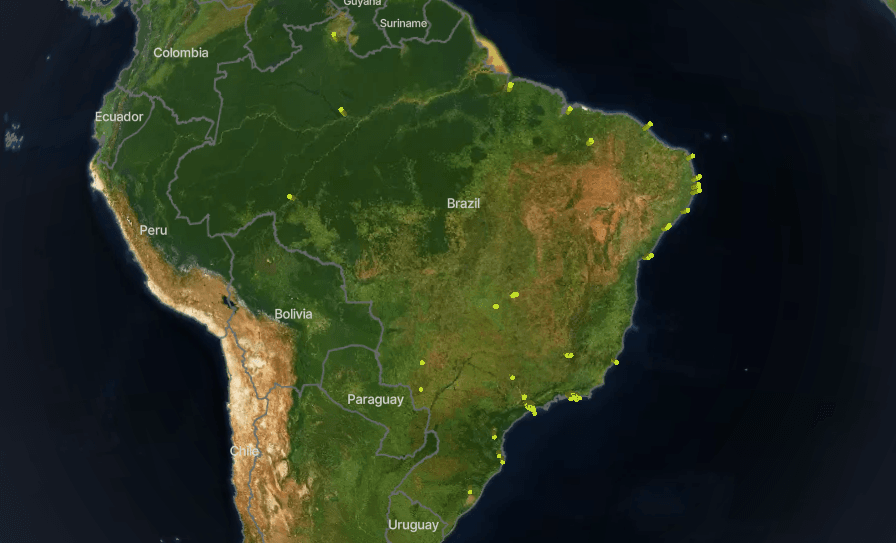
Jardim Gramacho, Rio de Janeiro, BRA
4.4M tonnes of waste annually
Waste
Annual Emissions Reduction Potential
-
Total Project Impact: 850,000 tCO₂e
-
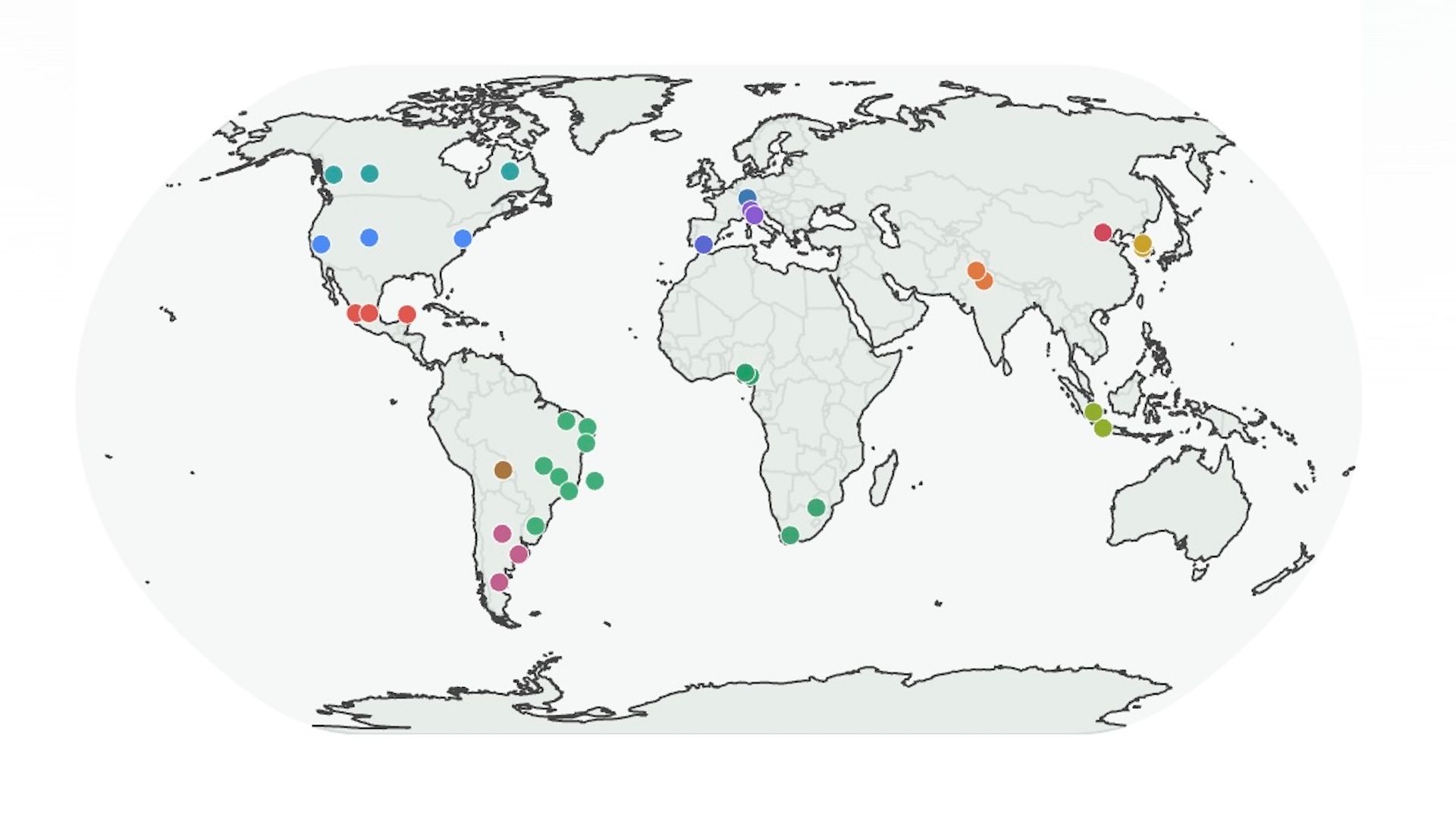
ERS Global Potential: 135 MtCO₂e
Download the pdf: Landfill Covering and Methane Capture ERS spotlight
How Gas-Capture and Biocovers Reduce Emissions
-
Existing Practice: Across much of the world, landfills release methane for decades as buried waste decomposes without oxygen. Conventional management methods often rely on capping or covering waste to control odor and runoff, however, methane can continue to be generated beneath the surface. Closure is often mistaken for mitigation, yet emissions can persist long after disposal, making landfills one of the largest sources of methane globally.
-
A Potential Solution: Cutting landfill emissions requires transforming these sites from methane sources into managed systems that actively mitigate climate pollution. Installing gas-capture systems enables recovery and use of methane as renewable energy, while adding biocovers helps naturally break down residual emissions. Restoring vegetation through grasslands, forests, or mangroves further enhances carbon uptake and ecosystem recovery. Together, these actions ensure that closure marks the start of restoration, not just the end of waste disposal.
Rio Transforms Latin America's Largest Landfill
About Text: The Jardim Gramacho restoration in Rio de Janeiro, led by the city's Municipal Cleaning Company (COMLURB), transformed what was once Latin America's largest landfill into an active climate mitigation site. Following its closure and capping, the installation of a landfill-gas capture system and large-scale mangrove restoration has dramatically reduced methane emissions while restoring coastal ecosystems along Guanabara Bay. The project avoids an estimated 850,000 tonnes of CO₂e annually, illustrating how legacy waste sites can be stabilized to curb methane emissions, alongside ecological and community benefits made possible where site conditions support restoration.
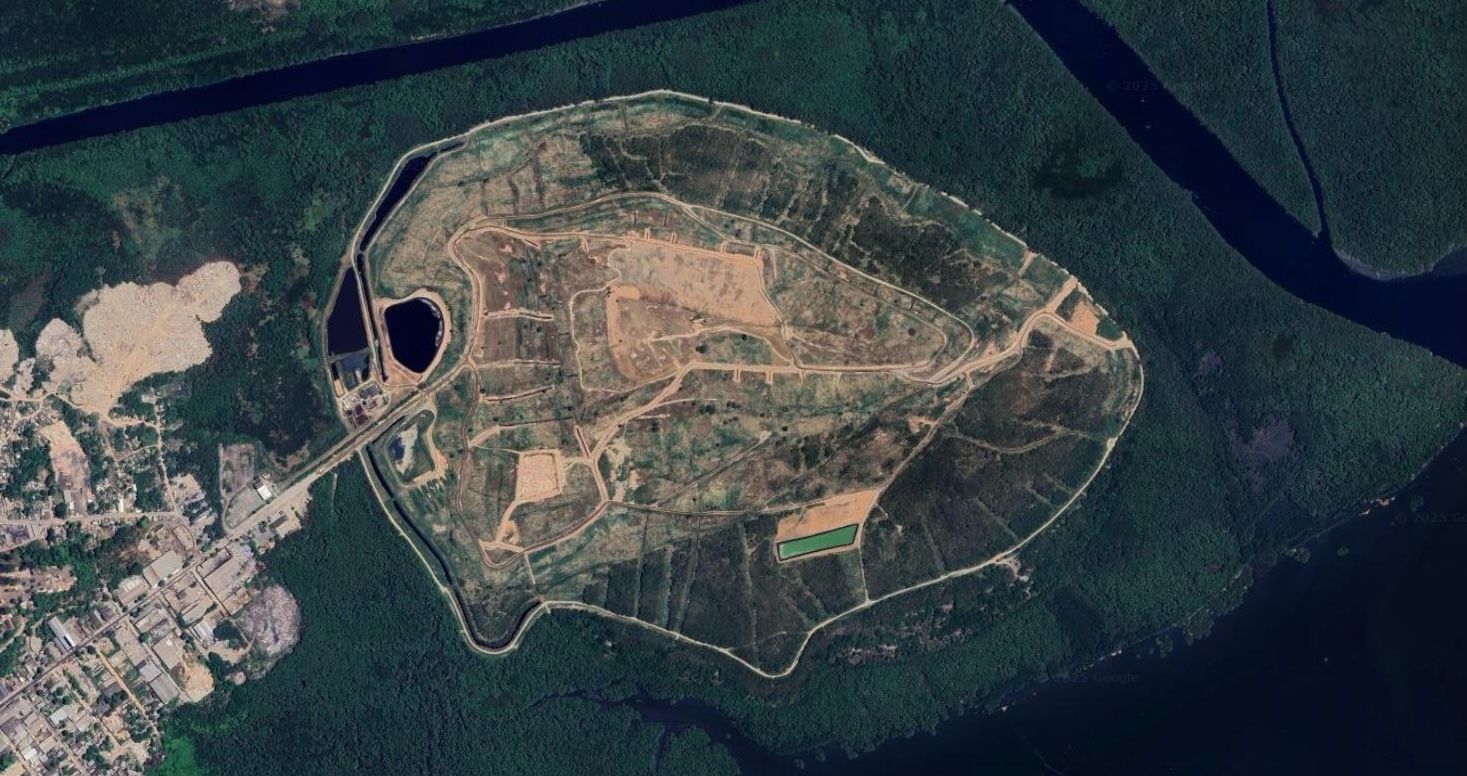 Credit: Google, ©2025 CNES / Airbus, Maxar Technologies
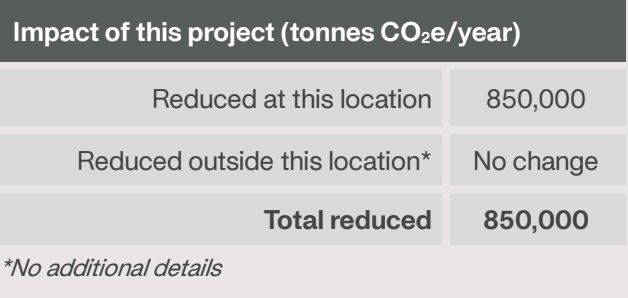
This solution of covering landfills and capturing methane reduces emissions at the source by capturing methane and combusting it in a flare which is powered by the captured gas itself.
Note: Annual emissions reduction potential at this project is estimated as true by Clean Development Mechanism (CDM). This spotlight was prepared in December 2025 using publicly available information. To learn more about Emissions Reduction Solutions (ERS) in the solid waste disposal sector, please visit our website, read our white paper, or contact the Climate TRACE partnerships team.