Electrification and Energy Efficiency
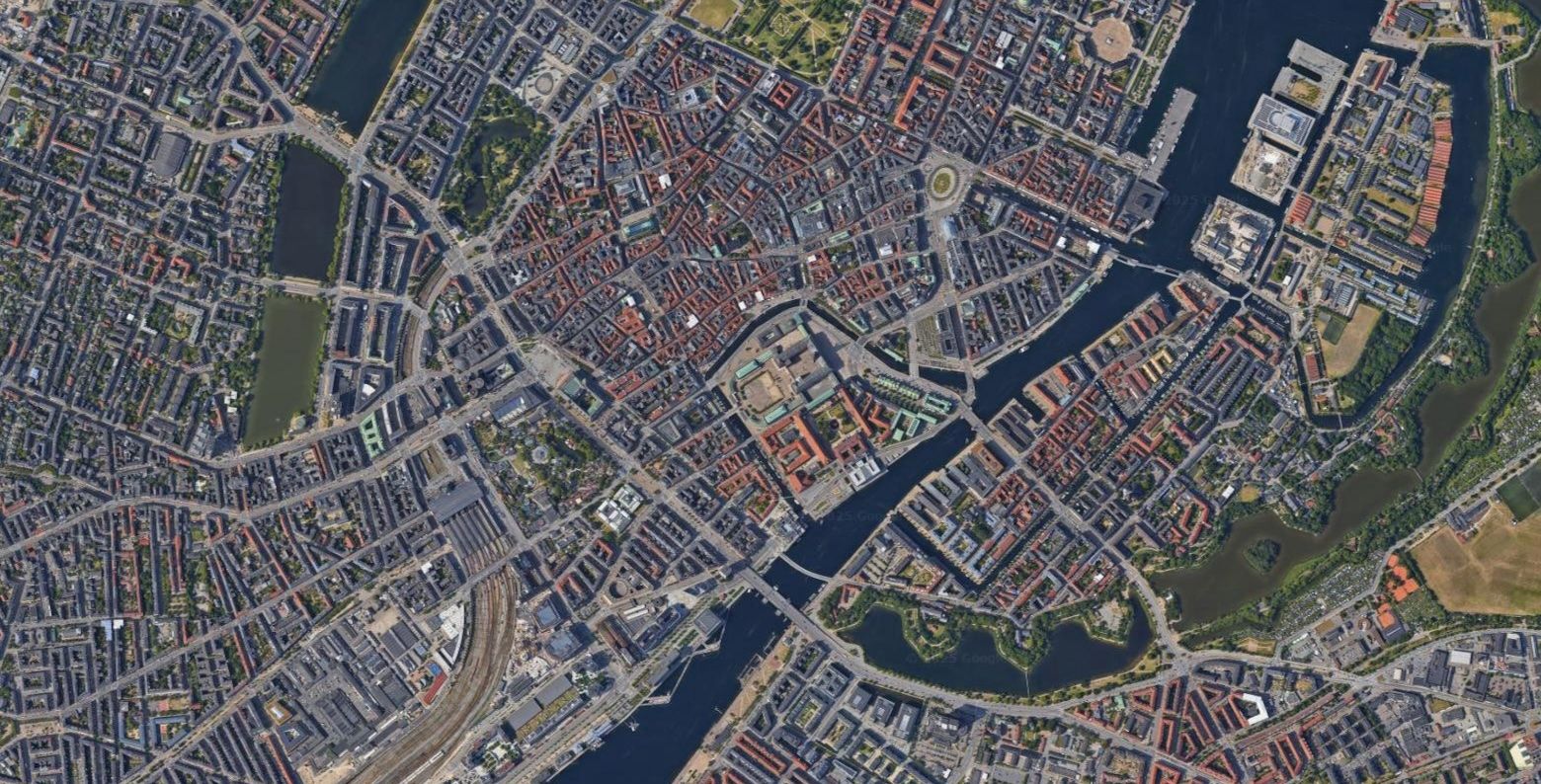
District Heating System, Copenhagen, DNK
2,300 MW of district heating capacity
Sector: BUILDINGS
Annual Emissions Reduction Potential
-
Total Project Impact: 110,000 tCO2e
-
ERS Applied Globally: 1.6 BtCO2e
Download the PDF: Electrification and Energy Efficiency

How Electrification and Energy Efficiency Reduce Emissions
Existing Practice: In many cities, building heat is still generated from fossil fuels such as coal, oil, or natural gas, either through on-site boilers and furnaces or district heating systems. These sources contribute to urban emissions, often accounting for more than half of a city’s total building-sector footprint. Because heating demand is both continuous and seasonal, fossil-based systems can lock in emissions for decades.
A Potential Solution: Electrifying individual heating systems, expanding renewable-powered district energy networks, and capturing waste heat can dramatically cut emissions while improving air quality and energy security. Upgrading district heat infrastructure with large-scale heat pumps and phasing out fossil boilers can deliver rapid, system-wide reductions in building emissions, while household-level electrification, such as heat pumps and electric boilers, provides clean heating at the building scale. However, electrification can increase electricity demand and reduce some of the mitigation gains if the grid remains carbon-intensive.
Copenhagen Decarbonizes District Heating
Copenhagen has made some of the world’s most significant strides in decarbonizing its building sector. Between 2019 and 2023, building-related emissions fell by more than 60%, driven by large-scale electrification, renewable district heating, and efficiency upgrades across residential and commercial properties. With 98% of its buildings connected to its district heating system, around 85% of Copenhagen’s heat supply comes from renewable sources, with plans to reach 100% through large-scale heat-pump installations and continued fuel switching. Copenhagen’s experience shows that large-scale building decarbonization is not only possible, it’s already happening, offering proven solutions for cities aiming to accelerate climate impact.
This solution of electrification and energy efficiency in buildings reduces emissions at the source but increases emissions due to additional electricity consumption.
Note: Source-level emissions reduction potential is estimated with Copenhagen’s self-reported emissions, and induced emissions are estimated by Climate TRACE. This spotlight was prepared in December 2025 using publicly available information. To learn more about Emissions Reduction Solutions (ERS) in the residential onsite fuel usage sector, please visit our website, read our white paper, or contact the Climate TRACE partnerships team.